Polycystic Ovary Syndrome (PCOS) is one of the most common hormonal disorders affecting women of reproductive age. Despite its prevalence, PCOS is often underdiagnosed or misunderstood, leading many women to struggle for years with unexplained symptoms. Early diagnosis and comprehensive care can significantly improve quality of life and long-term health outcomes.
At Life and Care, we are committed to empowering women with accurate information and compassionate, evidence-based medical care.
What Is PCOS?
PCOS is a complex endocrine condition characterized by hormonal imbalance and metabolic challenges. It affects how the ovaries function and may influence menstrual cycles, fertility, skin health, weight, and emotional well-being.
The exact cause of PCOS is not fully understood, but contributing factors may include genetics, insulin resistance, and chronic low-grade inflammation.
Common Symptoms of PCOS
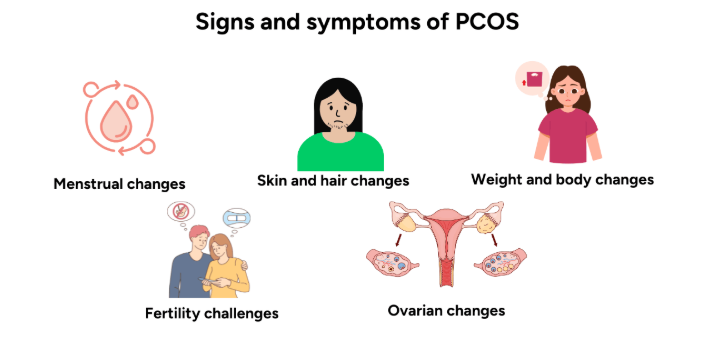
Symptoms of PCOS vary from woman to woman and may change over time. Common signs include:
- Irregular or absent menstrual periods
- Excess androgen levels, which may cause acne, oily skin, or unwanted hair growth (hirsutism)
- Polycystic ovaries detected on ultrasound
- Weight gain or difficulty losing weight
- Thinning hair or scalp hair loss
- Fertility challenges
- Fatigue and mood changes
Left untreated, PCOS may increase the risk of long-term health concerns such as type 2 diabetes, cardiovascular disease, and endometrial hyperplasia.
How PCOS Is Diagnosed
There is no single test for PCOS. Diagnosis is typically based on a combination of clinical evaluation and diagnostic criteria, most commonly the Rotterdam criteria, which require at least two of the following:
- Irregular or absent ovulation
- Clinical or biochemical signs of excess androgens
- Polycystic ovaries visible on ultrasound
Your physician may also recommend blood tests to assess hormone levels, blood sugar, and cholesterol, as well as pelvic ultrasound imaging to evaluate ovarian structure.
Treatment Options for PCOS
While PCOS has no definitive cure, symptoms can be effectively managed with a personalized treatment plan. Management depends on symptoms, health goals, and whether pregnancy is desired.
Lifestyle and Nutrition
- Balanced diet focused on blood sugar control
- Regular physical activity
- Weight management strategies when appropriate
Medical Treatment
- Hormonal therapy (such as oral contraceptives) to regulate menstrual cycles
- Medications to manage insulin resistance, when indicated
- Targeted treatments for acne, hair growth, or hair loss
Fertility Support
- Ovulation-inducing medications
- Close monitoring and specialized reproductive care
A multidisciplinary approach often yields the best results.
Why Choose Dr. Fadwa at Life and Care?
At Life and Care, women with PCOS receive care that goes beyond symptom control. Dr. Fadwa is known for her thoughtful, patient-centered approach, focusing on understanding each woman’s unique health journey.
Patients benefit from:
- Comprehensive hormonal and gynecological assessment
- Individualized treatment plans based on the latest clinical guidelines
- Clear communication and education at every step
- A supportive clinical environment that prioritizes long-term wellness
Dr. Fadwa works closely with patients to address both the physical and emotional aspects of PCOS, helping them regain control of their health with confidence and clarity.
When to Seek Medical Advice
If you experience irregular periods, persistent acne, unexplained weight changes, or difficulty conceiving, it is important to consult a qualified healthcare provider. Early evaluation can prevent complications and improve outcomes.